


How Pepper Lunch Keeps Food Costs Low Without Cutting Quality
Pepper Lunch keeps food costs structurally low through pre-portioned ingredients, a global supply chain, simplified menu design, and zero prep labor.
How Pepper Lunch Keeps Food Costs Low Without Cutting Quality
Pepper Lunch keeps food costs structurally low through pre-portioned ingredients, a global supply chain, simplified menu design, and zero prep labor.
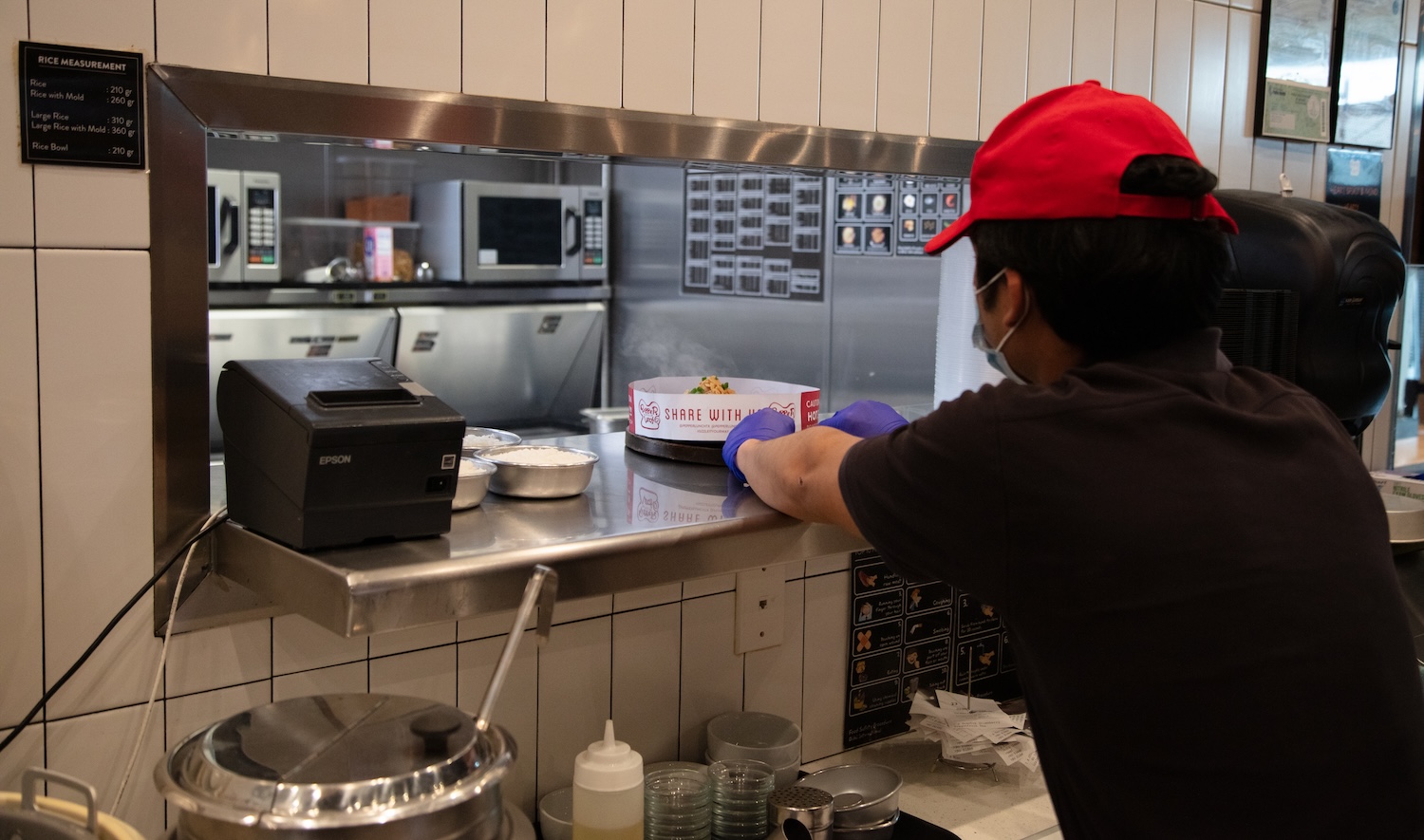

For any restaurant franchise operator, food cost is one of the most closely watched line items on the P&L. It directly affects margins, profitability, and long-term viability. At Pepper Lunch, we built our entire operating model around delivering a premium guest experience while keeping food costs structurally lower than most restaurant concepts. This is not about finding cheaper ingredients. It is about designing a system where waste, labor, and complexity never inflate your costs in the first place.
A Supply Chain Built for Scale and Consistency
With over 560 locations across 17 countries, Pepper Lunch operates a fully completed national supply chain system. That purchasing power translates into pricing advantages that a single-unit operator or emerging franchise simply cannot replicate.
Equally important, the supply chain is redundant by design. Reliability matters as much as pricing. When one supplier faces disruption, backup sourcing ensures your restaurant never stops serving guests. For operators evaluating restaurant franchise food cost structures, this kind of infrastructure is a genuine differentiator.
Premium Protein Without Premium Waste
One of the most common questions prospective franchisees ask is how we maintain quality while keeping food costs controlled. Our partnership with Certified Angus Beef is a clear example. By committing volume at scale, we secure premium-grade protein at pricing that reflects our global purchasing relationships, not single-restaurant spot buying.
Every ingredient arrives pre-portioned and ready to cook. There is no butchering, no trimming, no subjective portioning by a line cook who may over-cut or under-cut depending on the shift. Pre-portioned ingredients eliminate prep waste almost entirely, which is one of the largest hidden drivers of food cost in traditional restaurants. When you remove variance from the equation, you remove cost leakage.
Simplified Menu, Reduced SKU Complexity
A streamlined menu is not a limitation. It is a strategic advantage. Fewer SKUs mean less inventory to manage, less spoilage from slow-moving items, and tighter purchasing forecasts. Every item on the Pepper Lunch menu is engineered to share core ingredients across multiple dishes, maximizing utilization rates and minimizing dead stock.
For franchise operators who have managed large, sprawling menus at other concepts, the difference is immediately apparent. Ordering is simpler. Receiving is faster. Walk-in cooler management becomes straightforward rather than a daily puzzle. All of this compounds into lower food cost percentages over time.
No Skilled Prep Labor Required
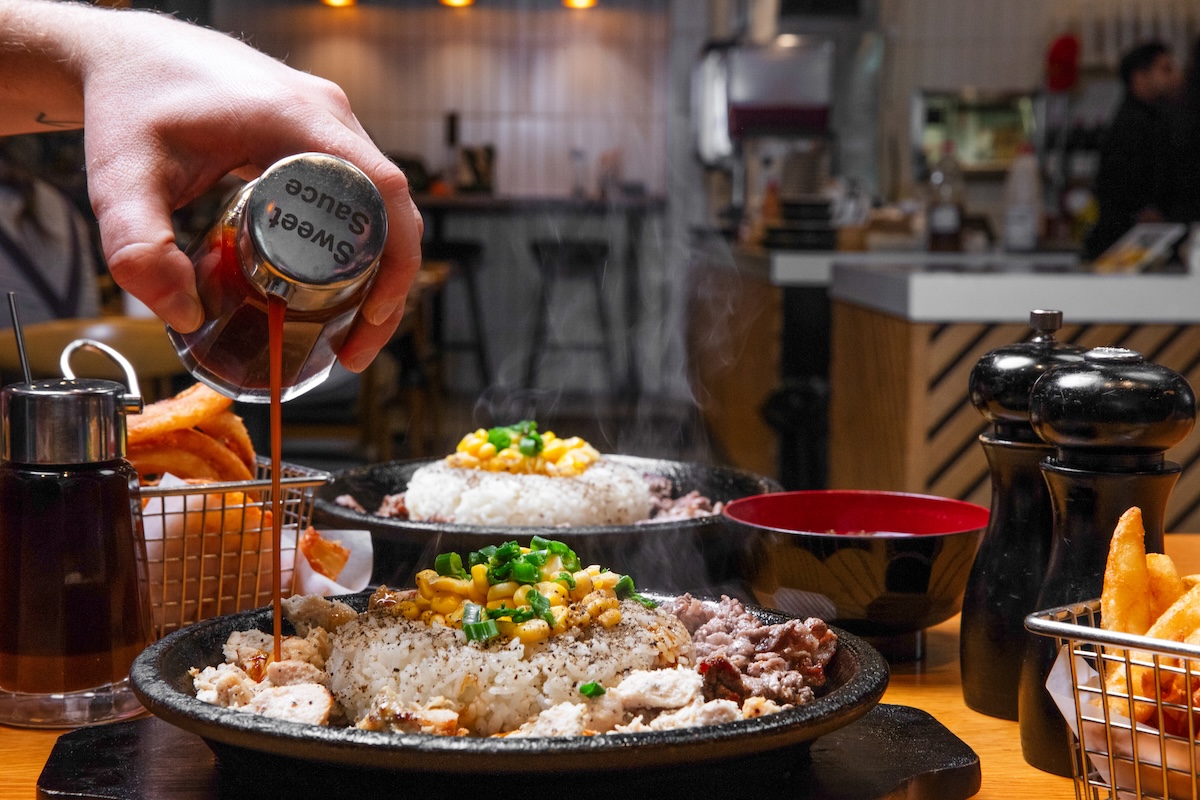
In most restaurant kitchens, a significant portion of labor hours goes toward food preparation: chopping, marinating, portioning, and staging. At Pepper Lunch, that labor layer does not exist. Nearly all ingredients arrive ready to plate on our signature sizzling iron plates, where guests participate in the final cooking experience themselves.
This means you are not paying skilled prep cooks to handle tasks that our supply chain has already completed. The labor savings are real, but the food cost impact is equally significant. Fewer hands touching product means fewer opportunities for waste, inconsistency, or over-portioning. It is a system built to reduce food cost at every stage from delivery to the guest's table.
No Grills, No Complex Equipment
The iron plate cooking method at Pepper Lunch eliminates the need for grills, hood systems, and the associated maintenance costs that come with conventional kitchen equipment. This simplicity does more than lower your buildout budget. It directly affects daily operations.
Without open-flame grills, there are fewer flare-ups, less charring waste, and reduced ventilation requirements. The kitchen footprint stays compact and efficient, which means less square footage dedicated to back-of-house and more revenue-generating seats in front.
For operators evaluating how to reduce food cost in a restaurant franchise, the answer is rarely about squeezing suppliers harder or lowering ingredient quality. It is about choosing a concept where low food cost is embedded in the design from day one.
Take the Next Step
If you are exploring franchise opportunities where unit economics are built into the operating model, we invite you to learn more. Visit the Franchise Applicant Portal to start the conversation.

Subscribe to our Newsletter
News & Press
Ready To Open Your Own Pepper Lunch Location?
Click below to learn more about our North American Franchising Opportunities.
